
When a child needs specialized care far from home, getting to the appointment can become part of the medical challenge. Air transportation assistance programs help some children and their caregivers reach treatment by arranging or providing flights. For a family facing a first trip, the experience is usually less about navigating air travel perfectly and more about making a clear plan around the child’s care needs, travel readiness, and appointment.
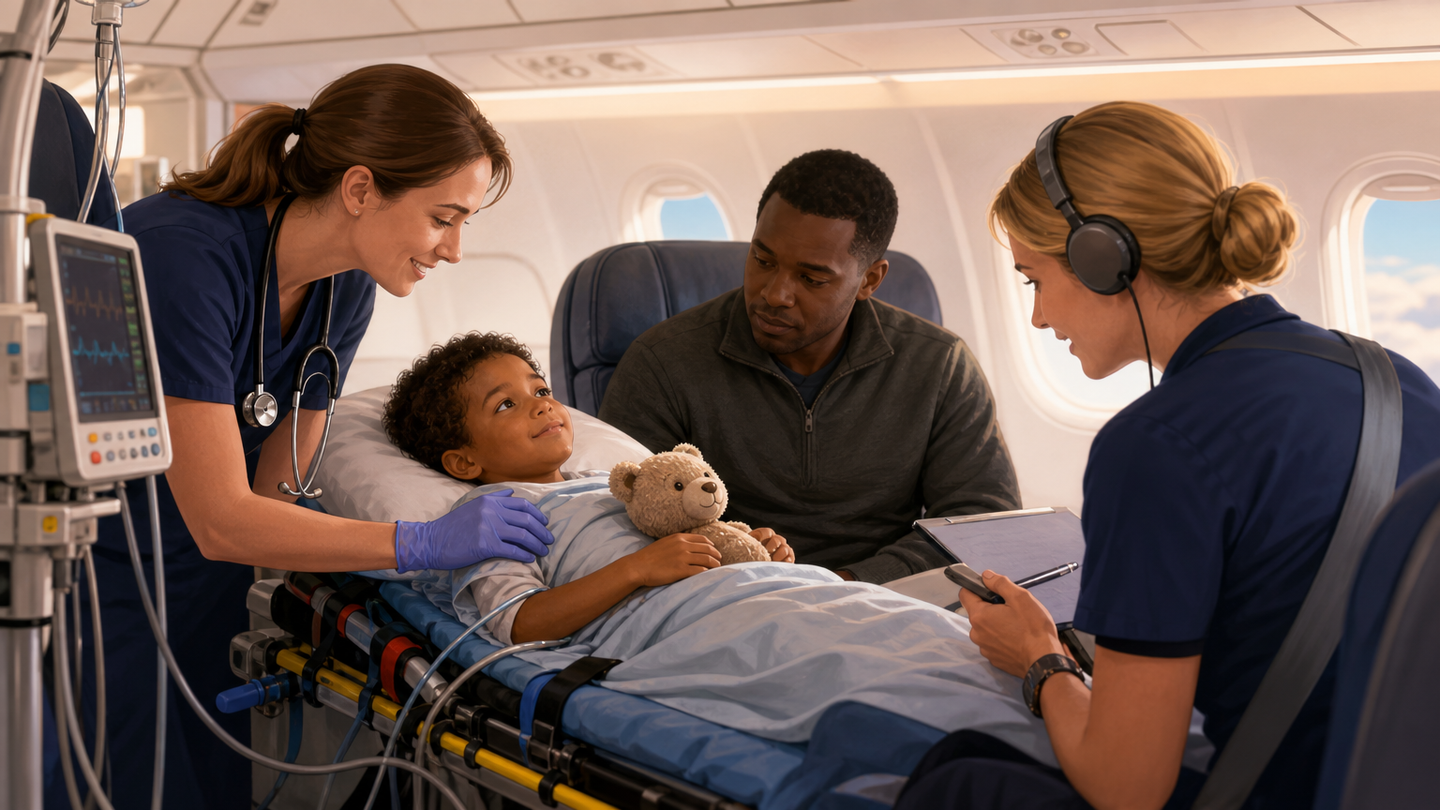
Some programs provide commercial flights for qualifying children who need distant specialized medical care, while others focus on helping children and caregivers travel to treatment. The exact type of help, eligibility rules, and arrangements vary. Still, most first trips follow a similar path: a request is made, the treatment visit and ability to fly are confirmed, travel details are coordinated, and the family prepares for a day that may feel both important and unfamiliar.
Before the First Trip: Build the Travel Plan Around Care
Begin with the treating team. They can help clarify why travel is needed, whether commercial flight is appropriate, and what the child will need during the journey. For some assistance programs, the treatment site may need to confirm the appointment, and a medical professional may need to clear the child for commercial air travel.
That clearance matters because flying is not the right option for every child at every point in treatment. A child’s condition, current symptoms, equipment needs, and tolerance for travel can all affect the plan. If the care team has concerns, ask what kind of transportation or timing would better support the child’s safety and comfort.
It also helps to distinguish the flight from the full trip. A medical visit may involve ground transportation, lodging, meals, medication routines, mobility needs, and recovery time after the appointment. Air assistance can remove a major barrier, but families should understand which pieces of travel are arranged and which remain theirs to plan.
Caregivers are central to the journey. Ask early who may travel with the child and whether the program’s arrangements include a caregiver. Children often need practical help throughout the trip: managing medication, carrying comfort items, communicating needs, and responding to changes in energy or symptoms. Knowing who can be beside the child makes the travel plan more realistic.
What the Travel Process Can Look Like
Once a trip is being coordinated, expect requests for information that connects the medical visit to the travel plan. This can include the treatment location, appointment details, contact information for the care team, and information relevant to the child’s ability to travel. The purpose is to make sure the trip supports an actual treatment need and fits the child’s circumstances.
Many flights provided through child medical travel assistance are commercial flights. That means the family may have a familiar airport experience—check-in, security screening, boarding, and time in a shared cabin—even though the reason for travel is medical. The organization arranging assistance may help with flight coordination, but airline procedures and airport rules still apply.
Plan for a slower pace than an ordinary family trip. Keep essential medication, care supplies, medical contacts, and the items that help the child feel secure easy to reach. A small, well-organized carry-on can be more useful than a larger bag that is difficult to access during a delay, in a terminal, or on board.
Assistive devices receive important protections in air travel. Under federal disability protections, covered air travel cannot discriminate against passengers with disabilities. Assistive devices generally do not count toward carry-on limits, subject to safety requirements. If the child uses a mobility aid, respiratory equipment, or another device, discuss the plan with the airline before travel so the family understands how that specific item will be handled.
Portable oxygen concentrators require particular attention. Passengers have rights related to their use, but safe travel depends on matching the child’s medical needs with the airline’s procedures and the equipment’s operating requirements. The child’s care team should guide the medical side of that decision; the airline can explain its travel process for the device.
The emotional side of the first flight deserves room in the plan, too. A child may be excited, tired, worried, or all three. Airports can be loud and full of transitions. Explain the journey in simple steps: arriving at the airport, going through screening, waiting near the gate, boarding, sitting together, and arriving at the treatment destination. Familiar snacks, a quiet activity, headphones, or a comfort object can make an unfamiliar setting feel more manageable.
Questions That Make Planning Easier
A few focused questions can prevent surprises and help everyone work from the same plan:
Questions for the assistance program
- Does the program arrange travel for the child only, or for the child and caregiver? – What information is needed from the treatment site or medical team? – Is medical clearance for commercial air travel required? – Which parts of the trip are included, and which parts should the family arrange separately? – How will the family receive flight details and instructions if plans change?
Questions for the medical team
- Is the child medically ready to fly? – What medications, supplies, or care instructions need to stay with the family during travel? – Are there symptoms or changes in condition that should prompt a call before departure? – Does the child need equipment or accommodations that require advance planning?
Questions for the airline
- What steps are needed for the child’s assistive device or medical equipment? – What is the process for a portable oxygen concentrator, if one is part of the care plan? – What assistance is available in the airport and during boarding? – How should the family notify the airline of the child’s needs before the trip?
These questions are not about making travel more complicated. They help turn a stressful unknown into a sequence of manageable decisions.
Starting the Journey With Confidence
The first assisted medical flight can feel like a lot to hold at once: a serious diagnosis or treatment need, an unfamiliar travel process, and the desire to keep a child comfortable. It is okay for the plan to be detailed. In this situation, details are not a burden—they are a way to protect the child’s energy and keep the focus on care.
Keep the trip centered on the child’s usual routines where possible. Bring the items and information that allow a caregiver to respond calmly: medications, care instructions, key phone numbers, and familiar comforts. Let the treatment team guide medical decisions, let the travel provider explain its arrangements, and let the airline address airport and aircraft accommodations.
Air transportation assistance exists because distance should not automatically stand between a child and specialized treatment. A first trip may still be tiring, but a thoughtful plan can make it feel less like an obstacle and more like one supported part of the child’s path to care. Confirm the current requirements and travel arrangements directly with the relevant program, medical team, and airline before making plans.
Information may contain errors, omissions, or outdated details. Confirm time-sensitive information with the relevant official or authoritative source.